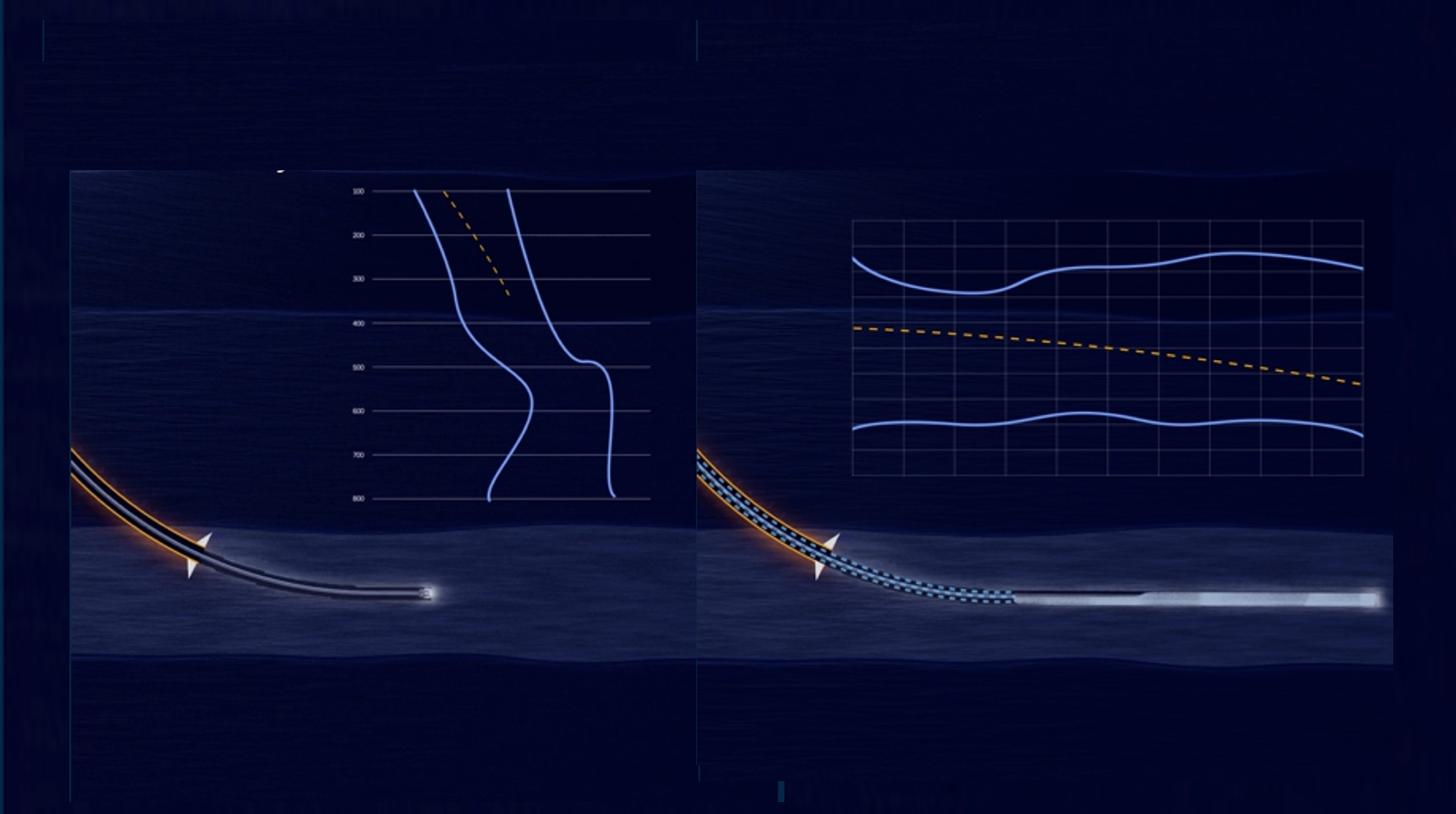

The importance of effective pressure management in drilling operations cannot be overstated.
This is where Managed Pressure Drilling (MPD) becomes relevant.
In this article, you will get a clear explanation of how Managed Pressure Drilling (MPD) works, with a focus on the Controlled Mud Level (CML). You will see how CML controls pressure, where it is applied, and what it changes in practice during drilling operations.

What is CML MPD?
To grasp the concept of CML MPD, we will first describe Managed Pressure Drilling (MPD). It is a drilling method used to control the annular pressure in a precise and predictable way. This method integrates conventional drilling with dedicated equipment that allows adjustments of downhole pressure during drilling and completion operations.
By employing MPD, operators can achieve greater accuracy in controlling bottom hole pressure (BHP), resulting in less pressure fluctuations and enhanced well management.
There are three primary MPD methods, each applied in different ways. What they have in common is the ability to control and adjust the annular pressure during operations.
So, what exactly is CML? Controlled Mud Level (CML) is one of the three main MPD methods used to manage bottom hole pressure during drilling operations. The method is designed to give operators greater control of the pressure profile in the well, particularly in narrow operating windows.
Check out: MPD methods: Pros and Cons of CML vs SBP
How Does CML Work?
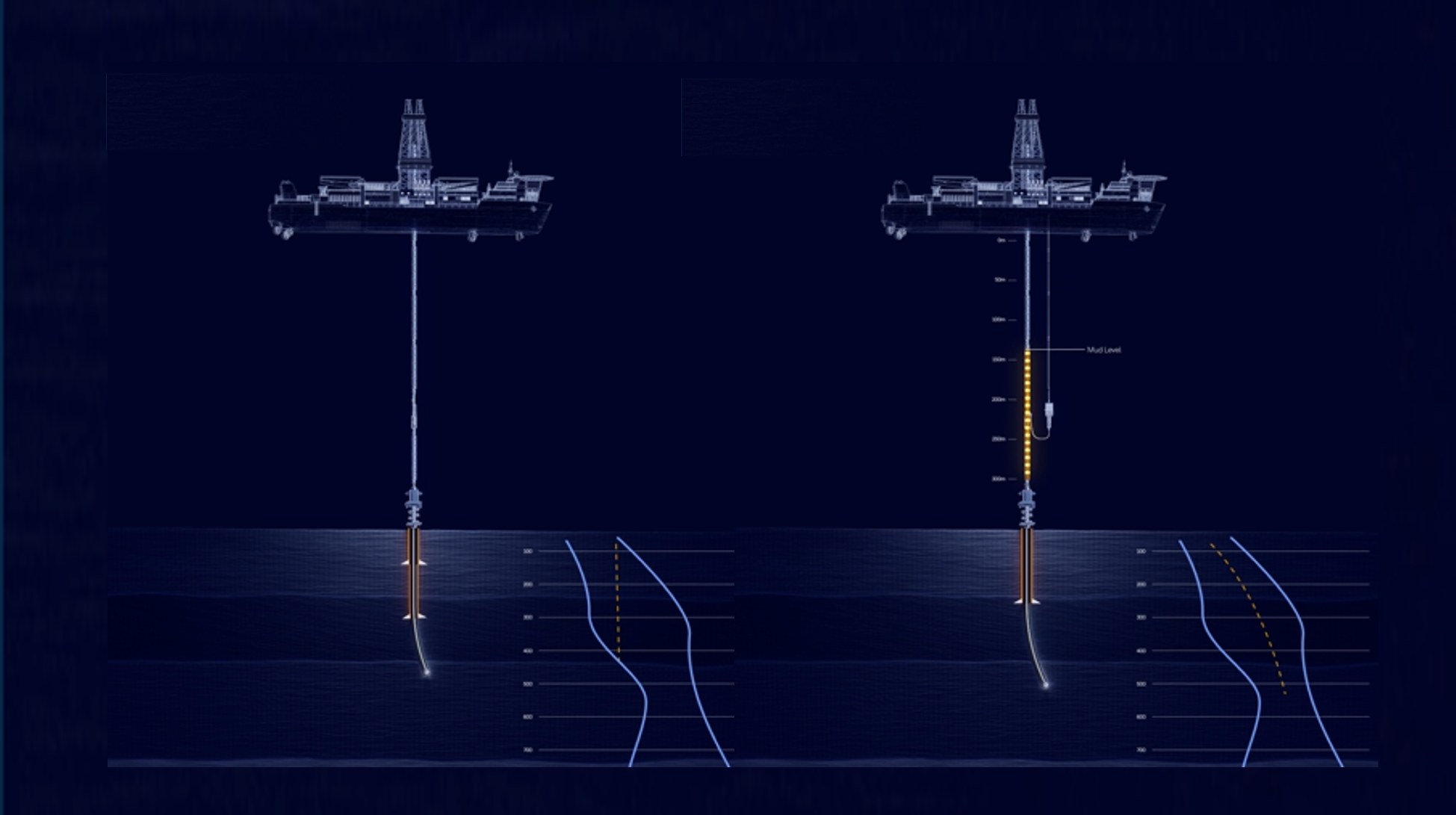
The CML method works by adjusting the fluid level in the marine drilling riser. This changes the hydrostatic pressure applied in the well, allowing operators to regulate bottom hole pressure throughout the operation. Because the riser level can be adjusted independently of pipe size and operation type, pressure control can be maintained continuously across different drilling conditions.
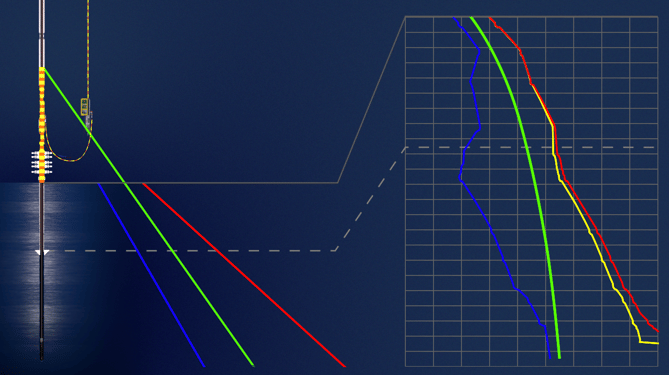
The illustration shows the dual gradient effect in CML, where adjusting the fluid level in the riser changes the hydrostatic pressure profile and enables continuous bottom hole pressure control throughout the operation.
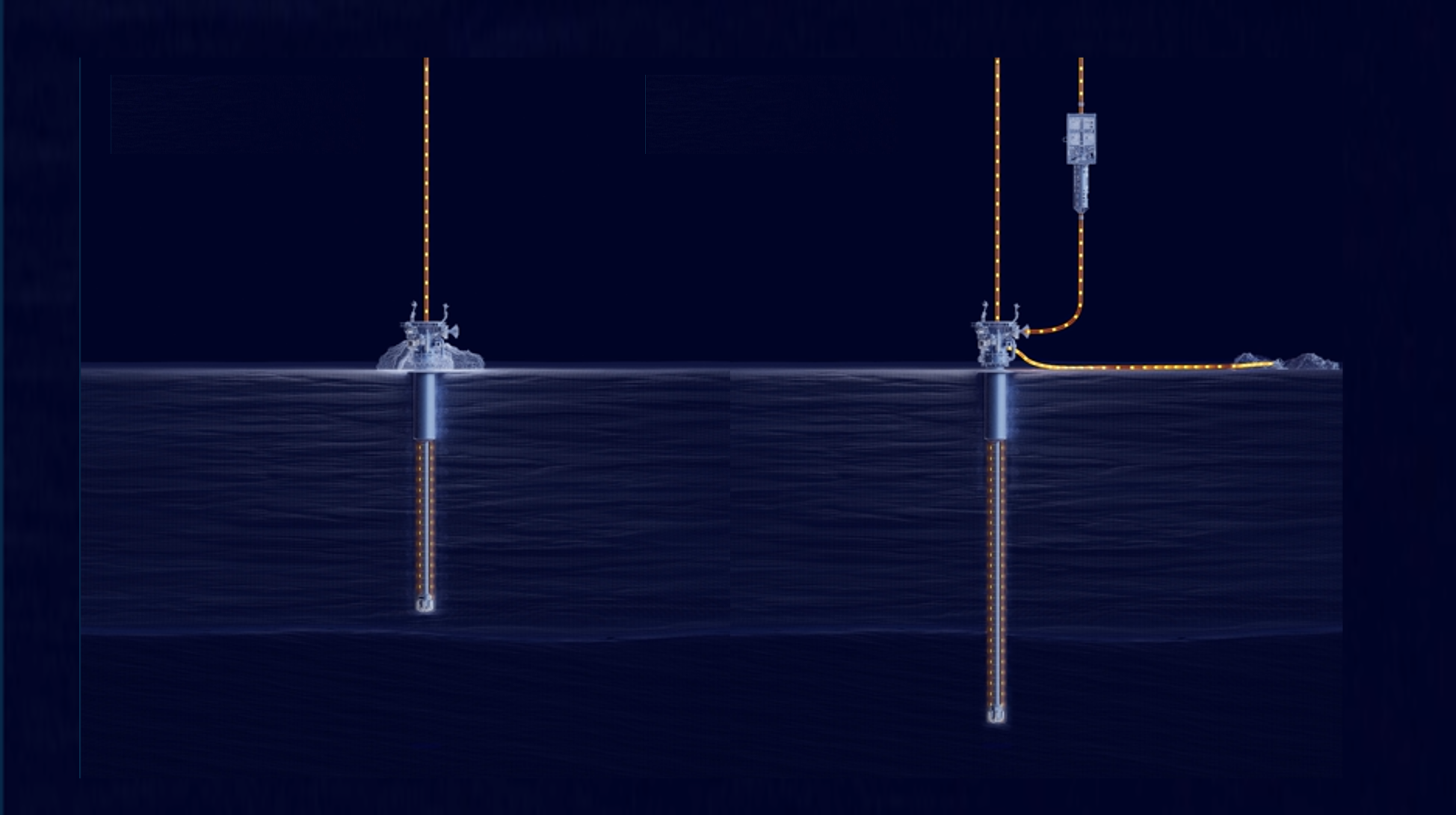
This process is done using a Subsea Pump Module (SPM) connected to the riser. The SPM controls the fluid level in the riser and pumps all fluid and cuttings returns through a separate Fluid Return Line (FRL). CML can be used for many applications, including the traditional MPD application of holding a near-constant BHP at a defined set point, both in static and dynamic conditions.
The SPM plays a crucial role in regulating and adjusting bottom hole pressure as necessary. A top-fill pump enables efficient riser filling, while a continuously operating boost pump ensures constant monitoring and control of the well, even during non-circulating phases.
Advantages with CML
- Comprehensive application: Suitable for the entire well construction process, including drilling, tripping, cementing, and completion operations.
- Keeps pressure within operating window: reducing the risk of losses and influxes.
- Improved reservoir access: Unlock additional reservoir potential, particularly in depleted fields that are otherwise challenging to drill.
- Enhanced production: Increases production through managed pressure completion techniques.
- Operational efficiency: Enables faster and more controlled tripping, improving overall efficiency.
- Increases design flexibility: Allows for simplification of the well design by leveraging the dual gradient effect, i combining upper sections in deepwater wells.
- Cost-effective: Requires a smaller footprint than Surface Back Pressure (SBP) systems and can reduce rig time compared to other MPD methods.
Takeaway
By allowing precise control over bottom hole pressure through adjustments of the fluid level in the riser, CML enhances operational efficiency and safety throughout the drilling process.
As the oil and gas industry continues to evolve, embracing innovative methods like CML provide a practical way to manage pressure more accurately. This can improve operational performance and enable access to reservoirs that would otherwise be difficult to reach.

Get the latest updates
Want to stay updated on the latest knowledge articles and news from Enhanced Drilling?