
.jpg?width=300&name=RMR_standard_setup_heading%20(1).jpg)
Conventional Pump & Dump is a practical and effective solution for many offshore wells. However, some top-hole sections present formation conditions that place greater demands on drilling fluid properties and returns handling.
Unconsolidated formations, reactive clays and other challenging conditions may require engineered drilling fluids with properties beyond what seawater alone can provide.
RMR® (Riserless Mud Recovery) was developed to address these operational challenges during riserless top-hole drilling.

What Is RMR®?
RMR® (Riserless Mud Recovery) creates a closed-loop circulating system during riserless top-hole drilling, returning drilling fluid and cuttings to the rig rather than routinely discharging them to the seabed.
This enables the use of engineered drilling fluids from the start of the well, including fluids with weighting agents and fluid loss control where required, while providing real-time volume monitoring at the wellhead.
Recovered drilling fluid can then be treated, conditioned and reused throughout the operation.
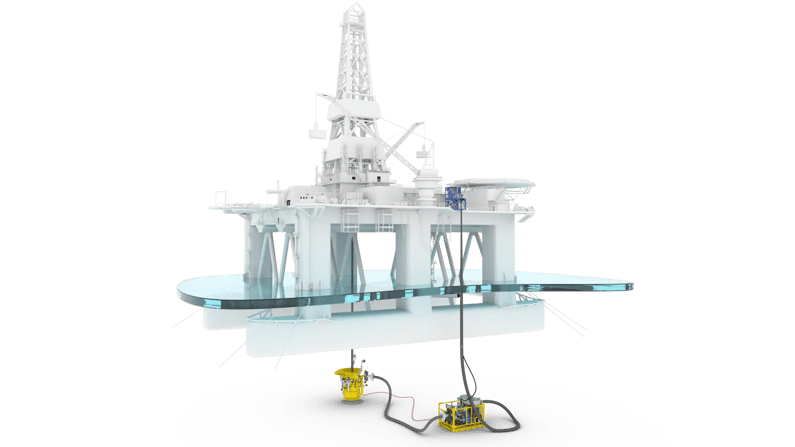
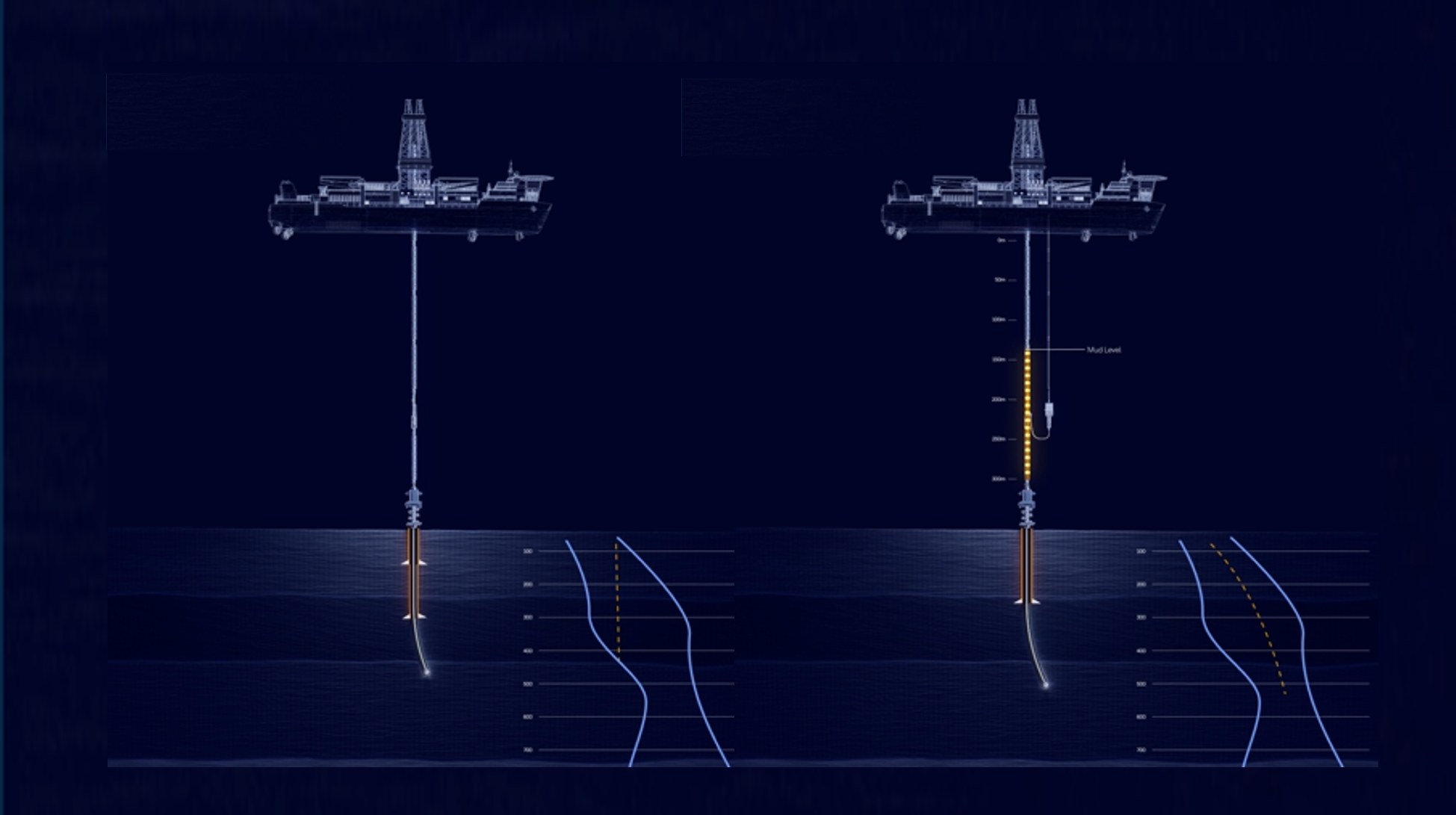
RMR® standard setup showing the rig, subsea equipment and mud return system.
Why Was RMR® Developed?
The top-hole section establishes the foundation for the entire well. Decisions made during this phase influence well integrity, casing design, drilling efficiency and the remaining well construction process.
In conventional riserless drilling, drilling returns are typically discharged directly to the seabed. Because drilling fluid is typically not recovered during conventional riserless drilling, seawater is often used as the circulating fluid during the earliest section of the well. While this approach works well for many operations, it limits the use of engineered drilling fluids when formation conditions become more challenging.
Operators increasingly encountered wells where seawater alone was not the preferred circulating fluid. These operations required drilling fluids with properties better suited to the formation, together with a way to recover and reuse the fluid during riserless drilling.
RMR® was developed to address this operational challenge by enabling closed-loop circulation during riserless drilling.
How Does the RMR® System Work?
RMR® creates a closed-loop circulating system during riserless top-hole drilling.
The system consists of three main components:
-
Suction Module (SMO)
- Subsea Pump Module (SPM)
- Mud Return Line (MRL)
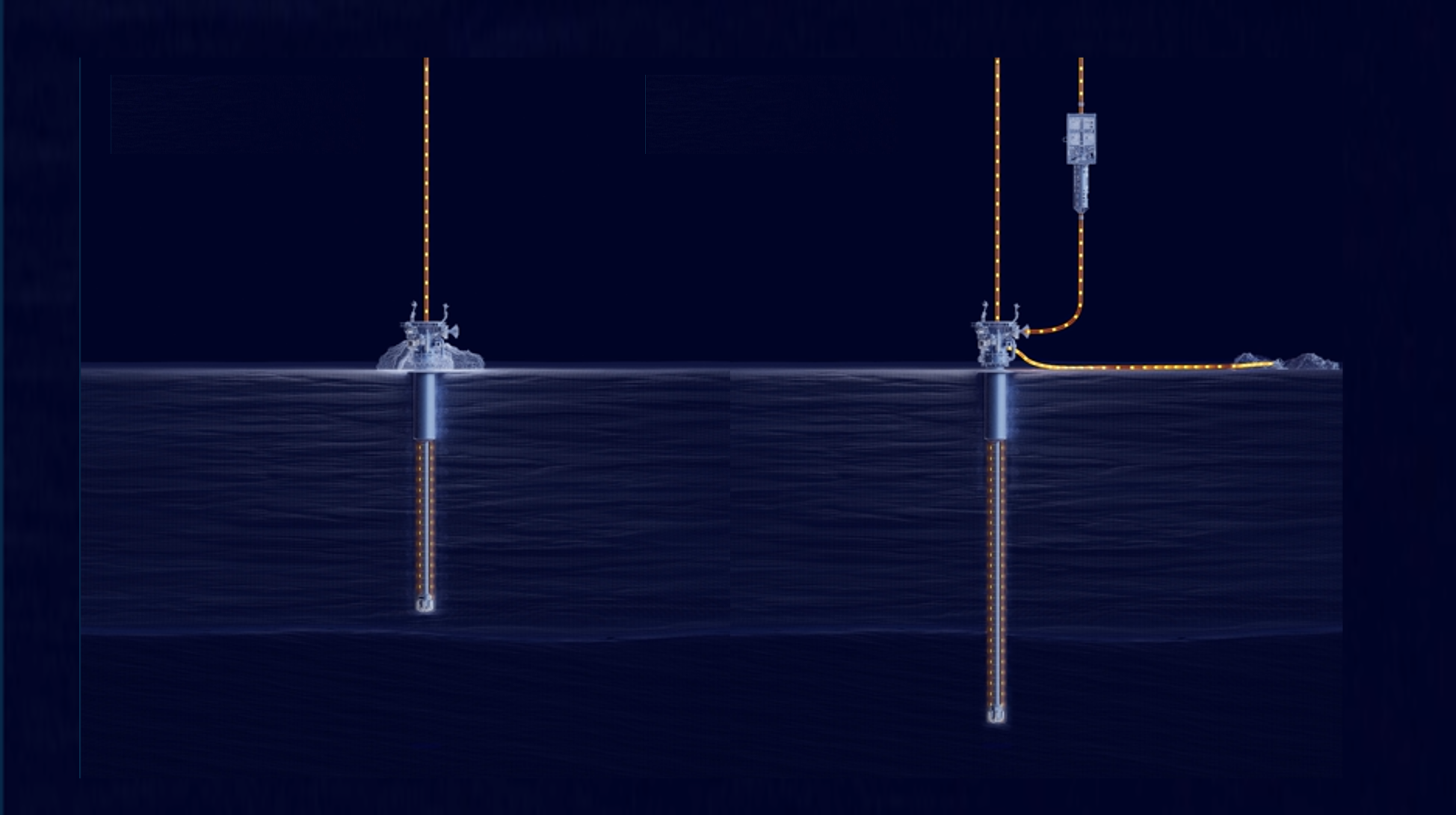
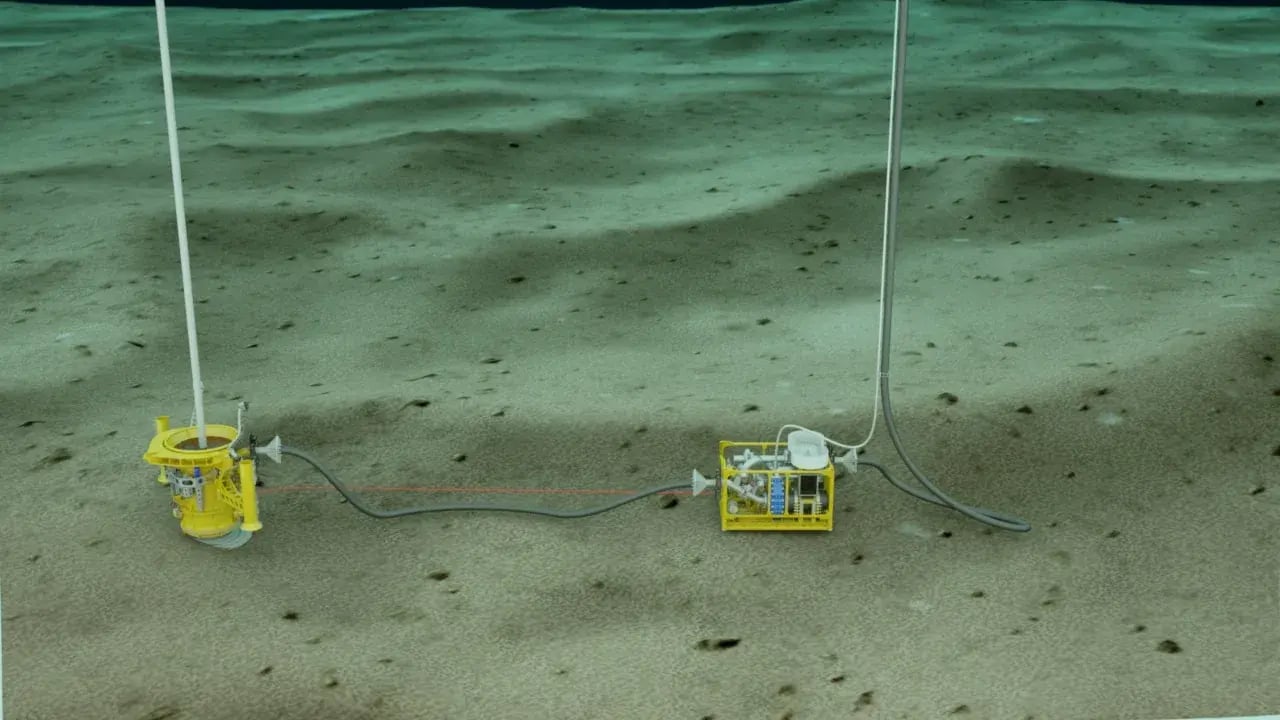
The Suction Module is typically installed on the Low Pressure Wellhead Housing, although it can also be deployed on a dedicated seabed base. Acting as a large collection funnel, it collects drilling fluid and cuttings returning from the well.
The collected returns are transferred through a suction hose to the Subsea Pump Module and pumped back to the rig through the Mud Return Line. On the rig, the drilling fluid passes through the solids control and mud treatment system before being recirculated into the well.
This allows drilling fluid to be recovered, treated and reused throughout the riserless drilling operation.
RMR® subsea system transporting drilling returns from the wellhead back to the rig.
Automated mud level control
A key feature of RMR® is the automated mud level control system within the Suction Module.
Differential pressure transmitters measure the pressure difference between the drilling fluid inside the module and the surrounding seawater. These measurements are used to determine the mud level inside the collection chamber.
The control system communicates with the Subsea Pump Module and automatically adjusts pump speed to maintain the required mud level.
This supports stable closed-loop circulation and the continuous return of drilling fluid and cuttings to the rig.
How RMR® Enables Closed-Loop Circulation
Recovering drilling fluid is one function of the RMR® system.
A key operational benefit is the ability to use engineered drilling fluids while maintaining closed-loop circulation.
By continuously returning drilling fluid to the rig, operators can:
- use drilling fluids designed for specific formation conditions
- use weighting agents and fluid loss control where required
- process and condition the drilling fluid
- reuse drilling fluid throughout the operation
- reduce mud consumption
- reduce routine seabed discharge
Continuous returns give drilling teams access to the drilling returns at the rig during the riserless section.
When Is RMR® Most Valuable?
RMR® is particularly valuable when conventional Pump & Dump becomes operationally limiting.
Typical applications include:
-
unconsolidated formations
-
shallow gas
-
shallow water flows
-
reactive clays
-
wellbore instability
-
challenging top-hole well designs
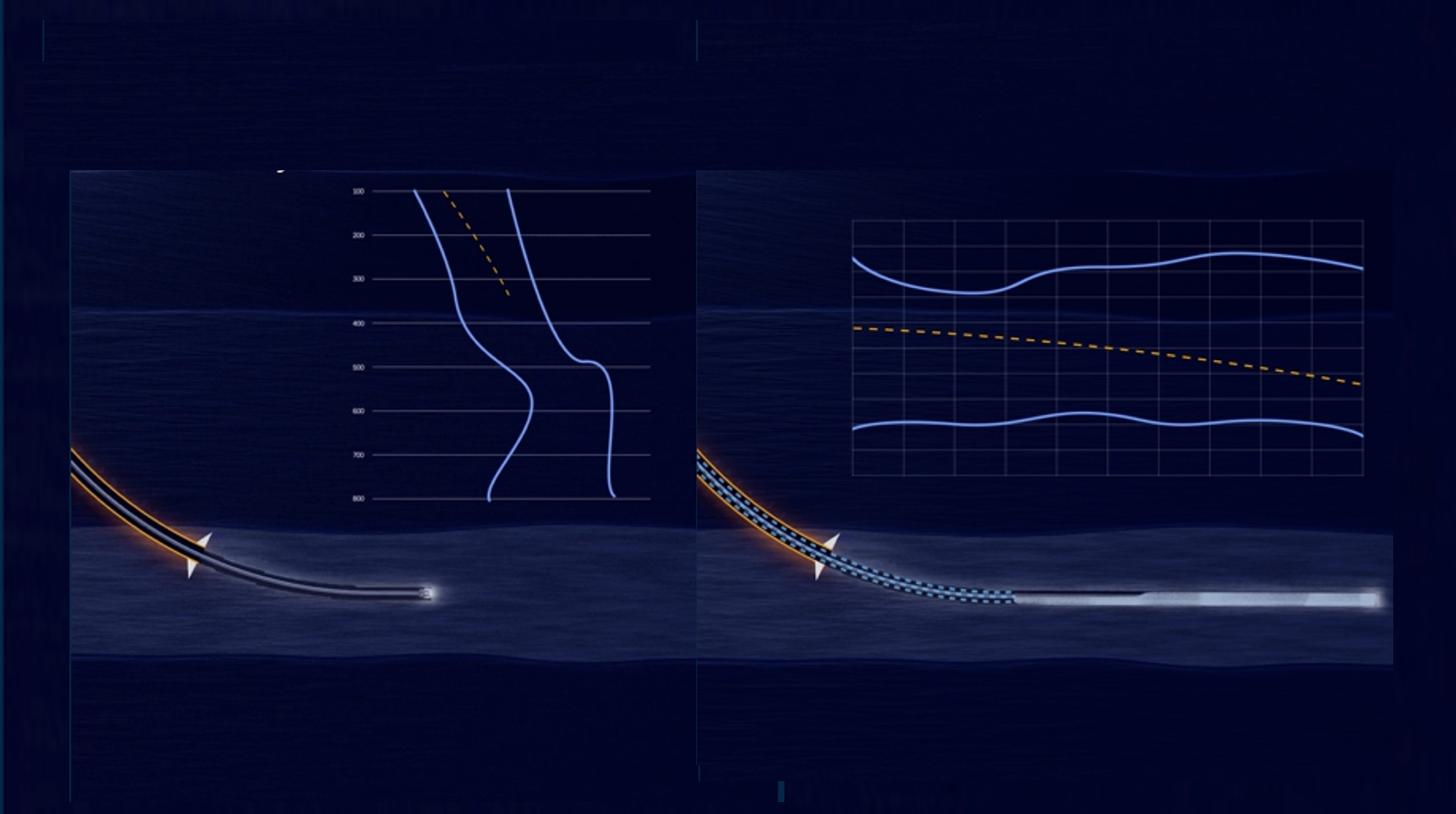
Engineered drilling fluids can help drilling teams manage formation conditions more effectively during the top-hole section.
In some applications, improved wellbore stability can support deeper surface casing placement, which may provide greater flexibility in the remaining well design.
Why Do Operators Use RMR®?
Operators typically select RMR® because it combines several operational benefits within a single drilling system.
-
Improved drilling performance
Engineered drilling fluids can provide properties better suited to specific formation conditions than seawater alone, including the use of weighting agents and fluid loss control where required. -
Closed-loop circulation
Drilling fluid and cuttings are returned to the rig during riserless drilling, allowing the fluid to be treated, conditioned and recirculated.
-
Environmental performance
Returning drilling fluid to the rig reduces routine seabed discharge while allowing drilling fluid to be treated and reused throughout the operation.
-
Reduced mud consumption
Recovering and reusing drilling fluid reduces replacement mud requirements and can reduce offshore resupply operations.
More Than Top-Hole Mud Recovery
As offshore wells become more technically demanding, operators increasingly look beyond optimising a single section of the well.
RMR® can form the first building block in a broader drilling approach by providing closed-loop circulation and engineered drilling fluid capability during the riserless top-hole section.
Following installation of the marine riser, EC-Drill® Managed Pressure Drilling can support pressure management in subsequent well sections.
Together, RMR® and EC-Drill® can support an integrated approach to well construction across different sections of the well.
Considering RMR® for an upcoming well?
Explore the practical applications, benefits, operational considerations and limitations of RMR® to understand where the system may fit into your top-hole drilling strategy.

Get the latest updates
Want to stay updated on the latest knowledge articles and news from Enhanced Drilling?