


Conventional drilling has served the industry well for decades. With established practices and equipment, operators are drilling countless wells safely and successfully.
Conventional drilling becomes insufficient in wells where pressure margins are narrow, formations are depleted and faces limitations in advancing current drilling and completions practices.
MPD provides the ability to actively manage wellbore pressure and operate within conditions that are difficult or impossible to handle with conventional methods. It also offers improvements to drilling and completion which are too beneficial to disregard.

Narrow Drilling Windows – A Critical Limitation
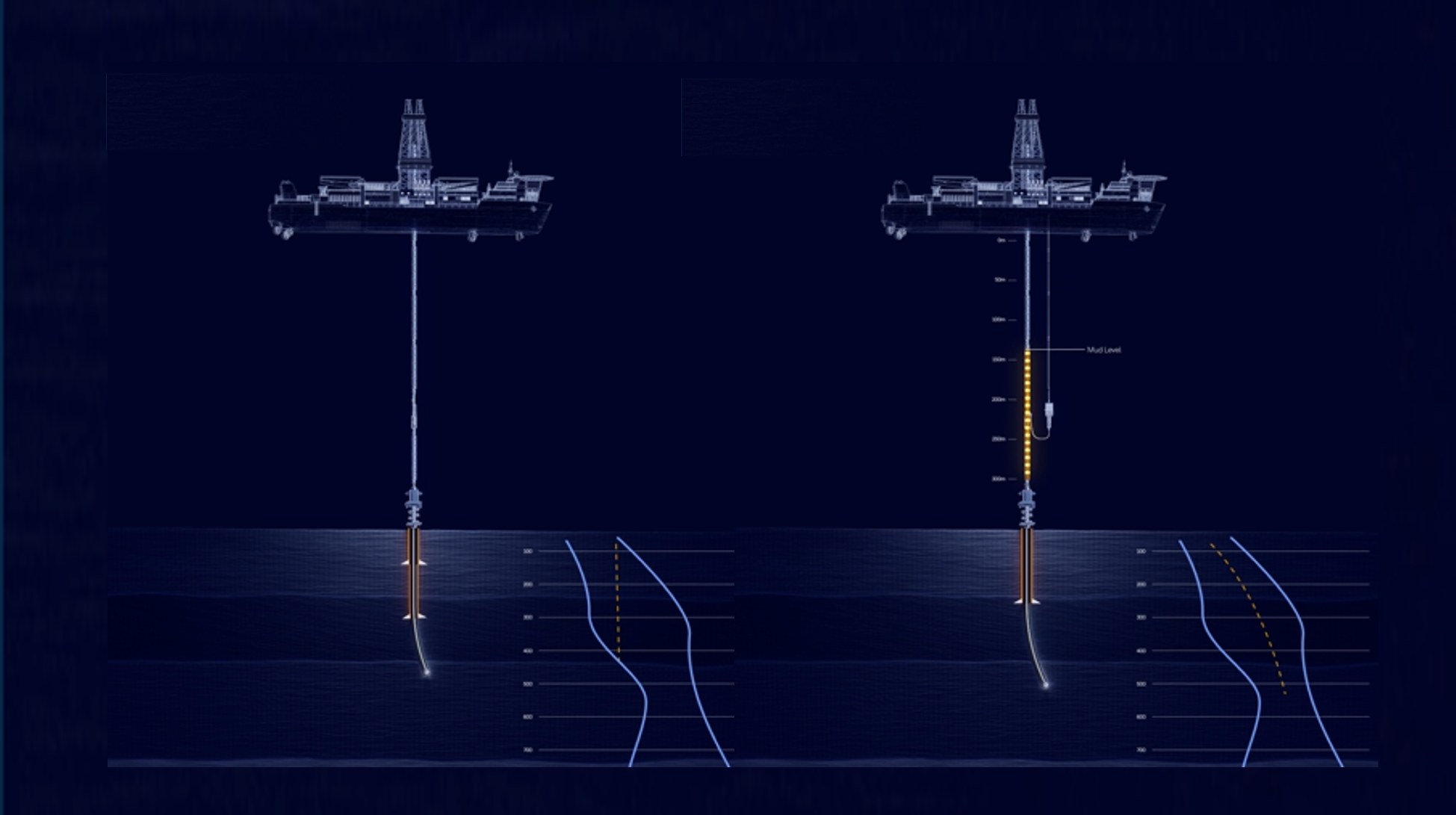
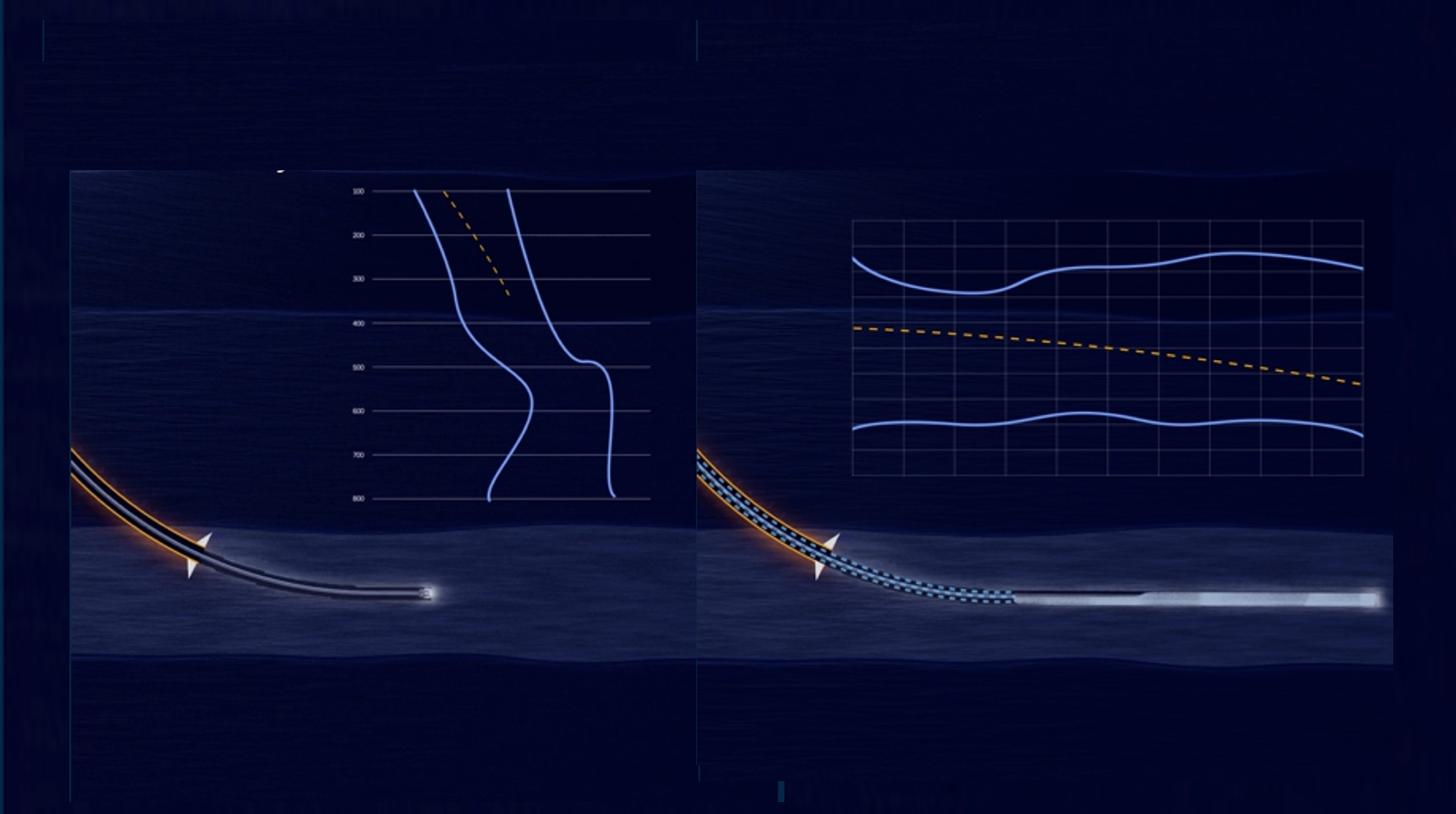
One of the biggest challenges in modern offshore drilling is narrow drilling windows, where the margin between pore pressure and fracture pressure is very small.
In deepwater wells, this gap is often extremely limited. With conventional drilling, staying within this window becomes a balancing act that is difficult, and in some cases not achievable with sufficient control.
Every added psi of Equivalent Circulating Density (ECD) can lead to lost circulation, while dropping slightly under balance results in an influx. Conventional drilling can’t handle these narrow margins
Watch webinar: Deepwater MPD | Introducing EC-Drill® Dual MPD
Facing Depletion
Another common challenge is drilling in depleted reservoirs.
In highly depleted fields, even low-density fluids can generate losses. To continue drilling and to extend well reach into remaining reserves, operators need the ability to reduce wellbore pressure in line with the actual degree of depletion.
Without this level of control, conventional drilling limits access to target zones in mature fields or require conservative well designs that reduce overall recovery.
Efficiency and Rig Time
Conventional drilling also has limitations in operational efficiency, particularly because well pressure cannot be adjusted dynamically during operations.
Activities such as tripping, running casing, or cementing must often be performed more cautiously to avoid pressure-related risks.
This can require staged operations, reduced speeds, or additional contingency measures. In deepwater environments, where rig costs are high, these limitations can significantly impact total well cost and project timelines.
Safety and Early Detection
Safety is another critical area where conventional drilling has its limitations.
With conventional systems, influxes are detected when volume or flow changes are seen at the surface, causing a delayed awareness.
This delay increases both the size of the influx and the complexity of well control operations.
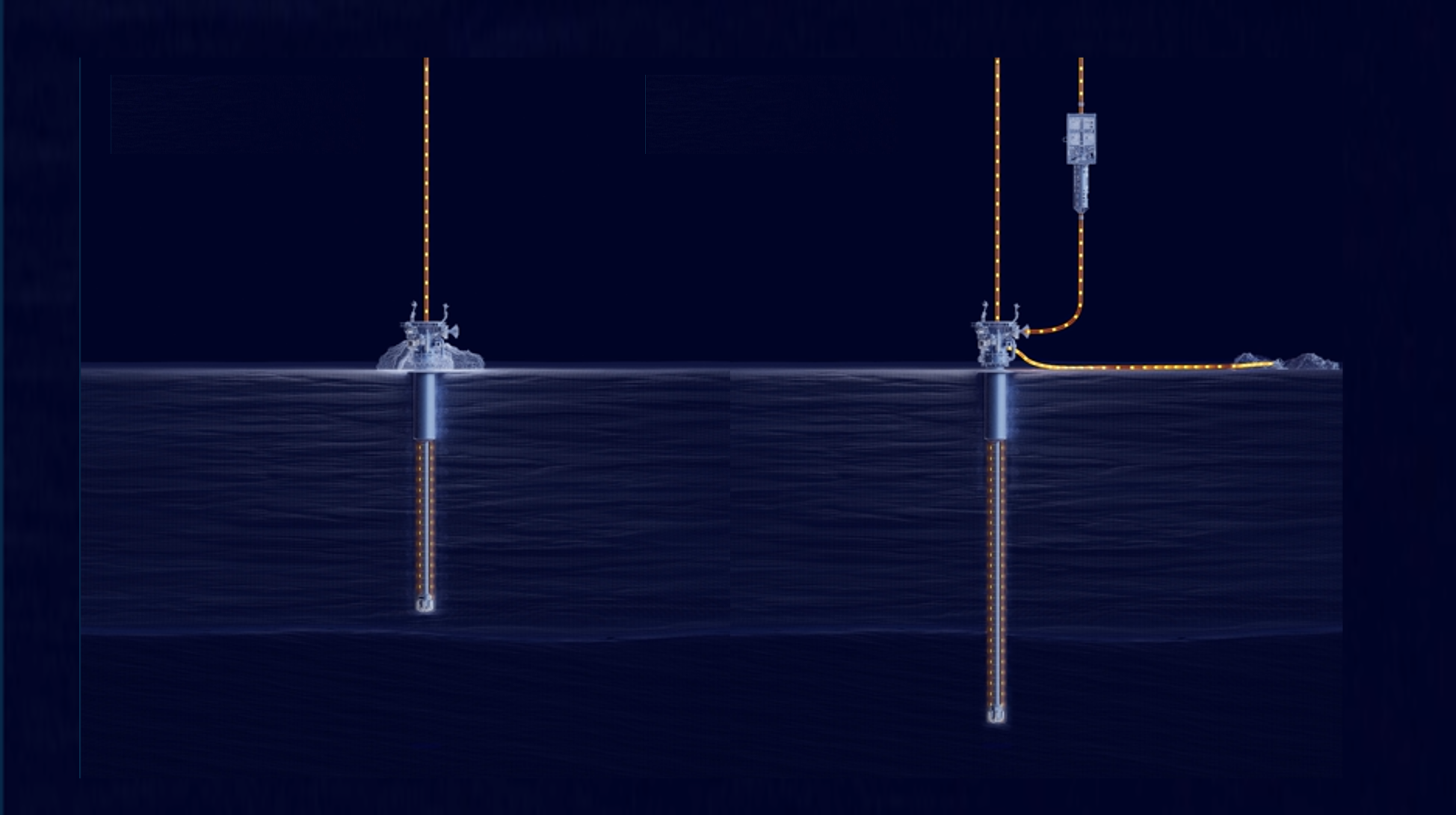
MPD systems such as EC-Drill® and EC-Drill® Dual MPD provide early detection through subsea sensors. These sensors identify anomalies in riser pressure and pump speed well before they are visible at surface, enabling faster response and improved well control.
These systems monitor the well continuously, regardless of operation, allowing detection of volume changes at any stage of the operation.
Check out this case study: EC-Drill® Instant Kick Detection Demonstrated on Deepwater Well
Improved Well Design
MPD also provides significant design benefits in deepwater wells, where costs are highest.
Even if a well could be drilled conventionally, applying MPD can often eliminate an entire section.
Potential benefits include:
- Elimination of planned casing or liner sections.
- Use of standard bit and casing sizes.
- Improved clearance when running casing and liners.
- Reduced likelihood of contingency liners.
These effects are driven by the ability to better align the pressure profile in the well with the actual operating window.
Additional reading: Maximizing Savings with CML
Higher production rates and longer producing wells
Completion is often overlooked when it comes to implementing the advantages MPD bring. The choice of completion approach can be limited because of a complex reservoir, and wells end up producing at a lower rate for a shorter time than desired.
By controlling the bottomhole pressure when drilling and completing the reservoir significant gains can be made. MPD delivers:
-
Ability to drill reservoir using a drill-in fluid
-
Extend the length of the reservoir
-
Enable more completion methods
-
Achieve a full screen out when gravel packing without inducing losses.
Key Takeaway: When Does Conventional Drilling Reach Its Limit?
Conventional drilling becomes insufficient when:
- The operating window is too narrow
- The formation is depleted and cannot tolerate conventional hydrostatic pressure
- Operational efficiency is limited by the inability to adjust pressure dynamically
- Conventional detection is insufficient to determine well conditions early and accurately
- Wells produce at low rate for a limited period.
In these situations, sticking to conventional drilling can lead to increased risk, higher costs, and reduced operational flexibility.

Get the latest updates
Want to stay updated on the latest knowledge articles and news from Enhanced Drilling?
.jpg?width=290&name=Snorre%20Lutnes%20(gammelt%20bilde).jpg)