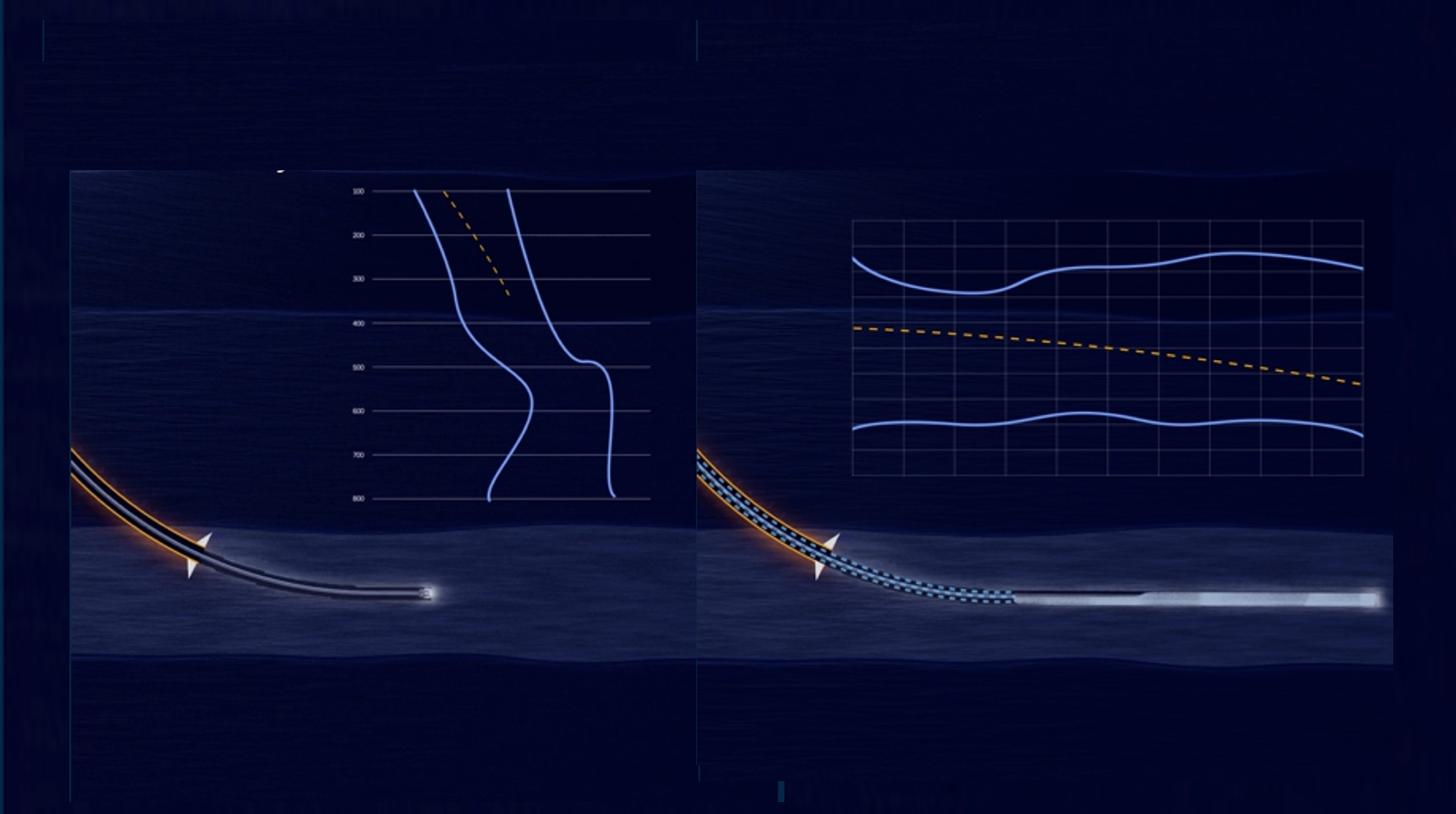

When it comes to deepwater drilling, early kick and loss detection can mean the difference between a controlled operation and a long and unwanted well control situation. The challenge is not just detecting a volume anomaly, but detecting it early enough to act on it. This is where the unique detection method of Controlled Mud Level (CML) differs from conventional surface-based monitoring.

The Challenge with Other Detection Methods
Traditional kick and loss detection relies on surface equipment such as:
- Pit volume sensors
- Flow meters
- Standpipe pressure readings
While effective in many situations, these tools share a common weakness: they all depend on surface measurements.
In deepwater environments, where mud returns travel a long distance up to the rig floor, detection delays become more significant. By the time a conventional system registers a gain or loss, the influx or loss may already have developed further. The result can be larger influx volumes, greater well control complexity, and increased operational risk.
Mass flow meters have significantly improved kick and loss detection during circulating operations. However, their effectiveness is reduced during static well conditions where return flow measurements are unavailable.
HowControlled Mud Level (CML) Enables Subsea Kick and Loss Detection
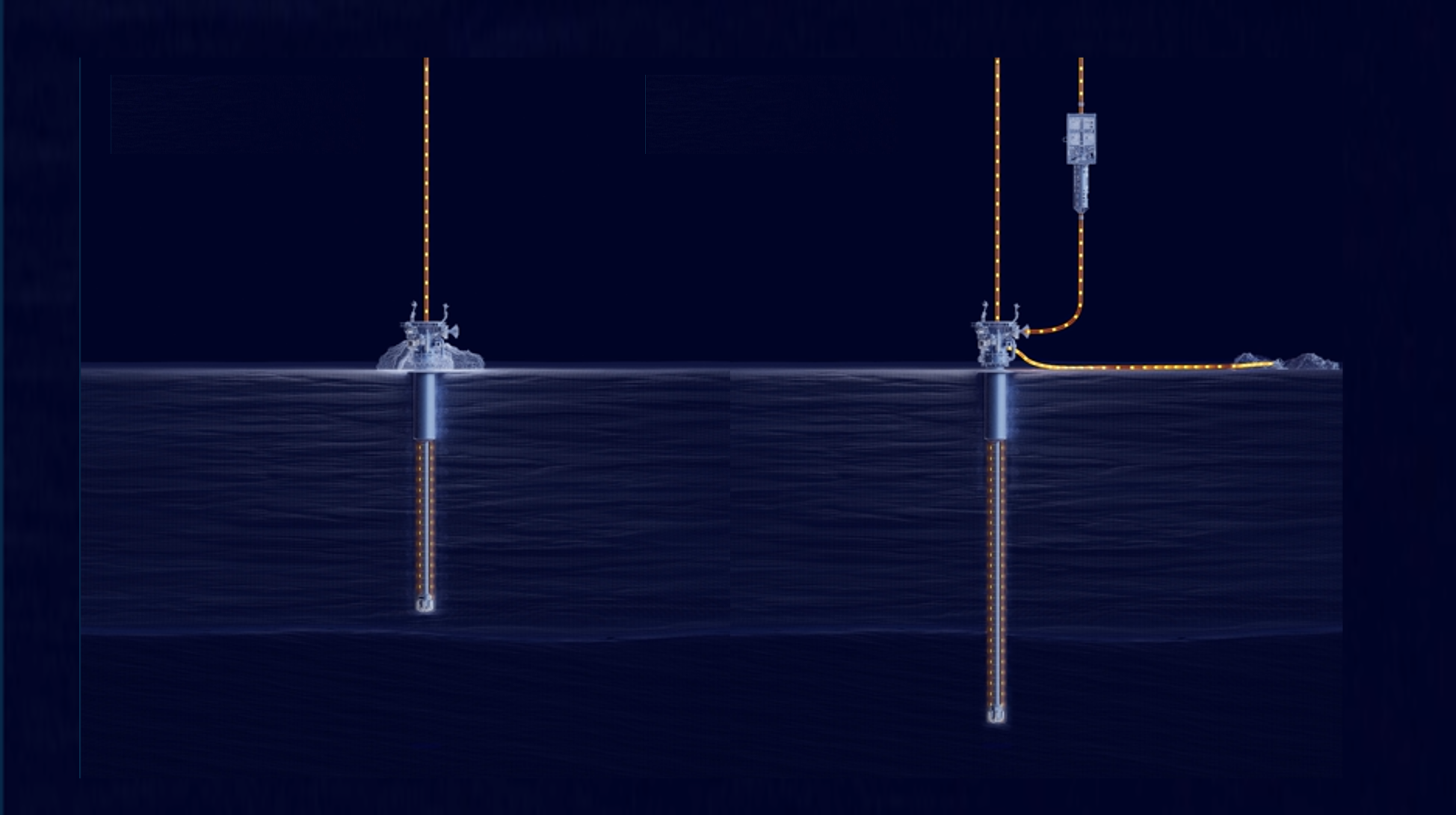
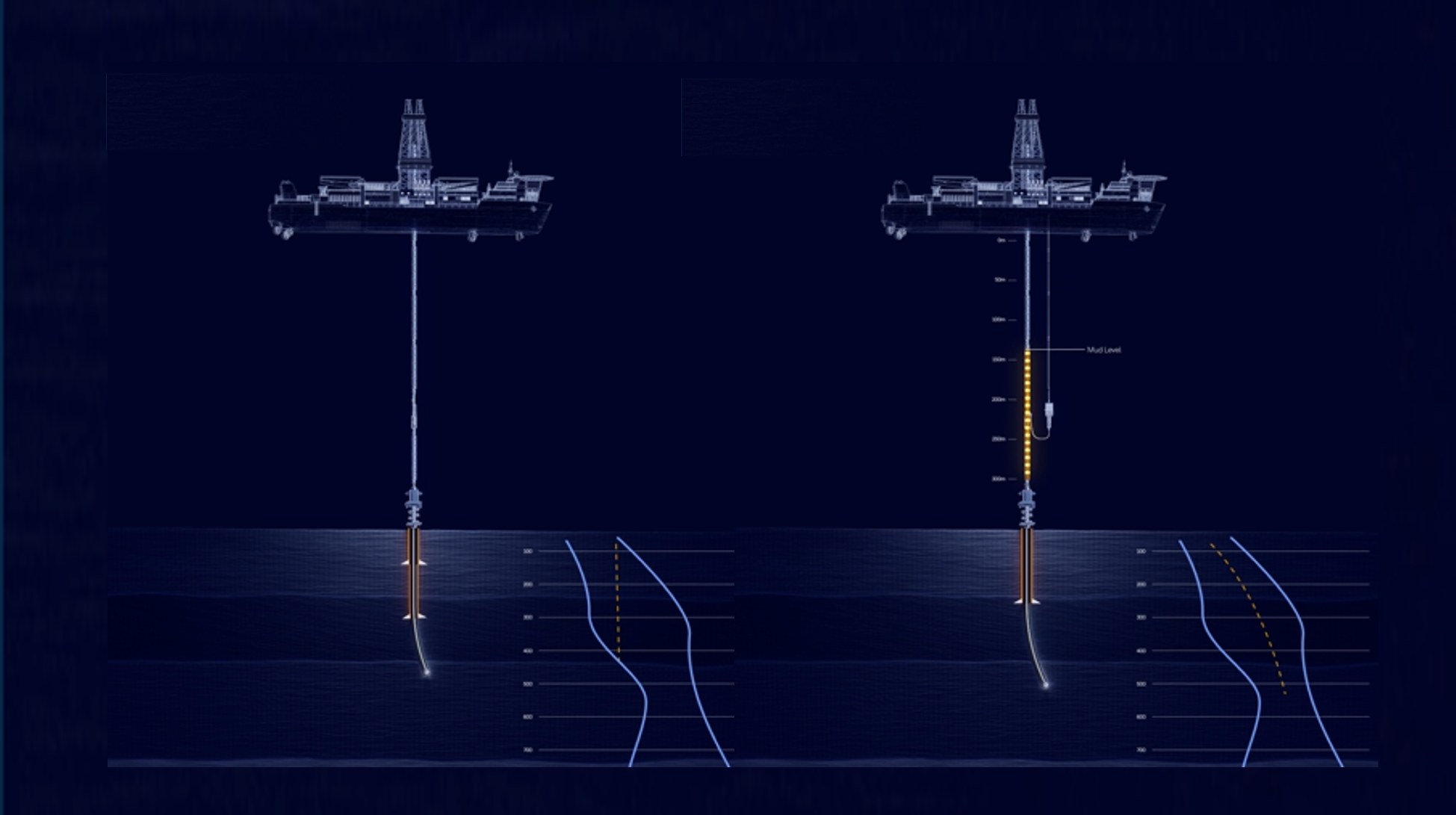
The CML system takes a different approach. By introducing subsea sensors and using the riser as an active pit, it transforms volume monitoring into a dynamic, real-time process.
Two key monitors enable this:
- Riser Pressure Sensor – continuously measures riser pressure directly in the well.
- Subsea Pump Module (SPM) Speed Sensor – tracks the pump’s response to volume changes within the riser.
These monitors create a live picture of system stability. Because they are positioned subsea, with the fluid level in the riser below the telescopic joint, the measurements are independent of rig motion, reducing the measurement uncertainty associated with rig motion and surface volume fluctuations. The result is earlier detection of volume changes closer to the well, with reduced impact from rig motion.
The Riser is also used as a Trip Tank for tripping operations. As a result, all monitoring is directly on the well when tripping in/out.
Case study: EC-Drill® Instant Kick Detection Demonstrated on Deepwater Well
From Early Detection to Instant Detection
Field tests showed the CML monitors detecting influxes 48 seconds faster than surface-based systems. An influx detected nearly a minute earlier is smaller, easier to manage, and is less likely to stop operations.
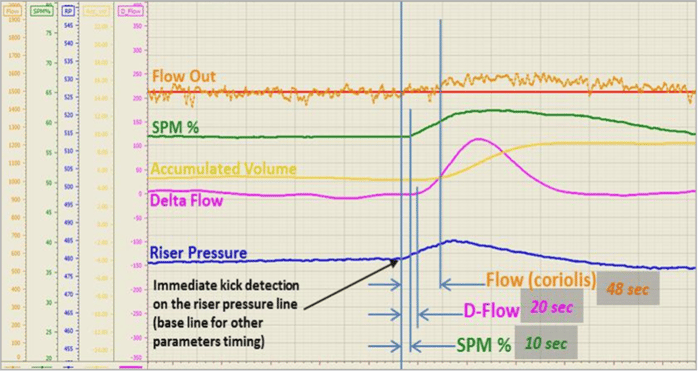
EC-Drill® CML monitoring detects influxes earlier than surface-based monitoring.
Here’s what happens when CML detects a gain:
- Detection: A subtle change in riser pressure signals volume change in the well caused by an influx.
- Validation: The SPM speeds up to maintain initial volume in the riser confirming the influx.
- Response: Operators can respond at an earlier stage, while the influx volume remains limited.
Detecting Losses Just as Fast
The same subsea sensors that identify gains also detect fluid losses by registering small negative volume changes that surface systems may detect later.
Because the CML system continuously tracks volume changes in the well, even small reductions in system volume trigger a response signal. Operators can then adjust the riser level as part of the pressure management response to reduce ongoing losses.
This can help reduce the operational consequences associated with fluid losses, including:
- wellbore instability
- time spent on curing losses
- escalation into more complex conventional well control situations
Watch webinar: Introducing EC-Drill® Dual MPD
Reliable in Harsh and Dynamic Environments
In harsh weather environments, surface-based kick and loss detection is often challenged by rig motion and subsequent volume and flow fluctuations. The CML detection method with sensors subsea eliminates this entirely. The result is consistent accuracy and reliable volume control, even in heavy seas or high-motion conditions where conventional systems struggle to maintain precision.
Smaller Events, Faster Recovery
With CML, gains and losses can be identified earlier across different drilling operations, enabling faster response before the situations develop further.
The Next Standard in Well Monitoring
CML’s unique kick and loss detection capability represents more than an incremental improvement — it’s a step change. By moving the detection system subsea, and turning the riser into an active, real-time pit - and a Trip Tank placed directly in the well, EC-Drill® transforms reaction time into prevention time.
The result:
- Kicks detected earlier
- Losses minimized
- Operations with less flat-time
In other words, CML doesn’t just detect gains and losses earlier — it enables response before the situations develop further.
Key takeaways
CML changes kick and loss detection from delayed surface interpretation to direct subsea monitoring closer to the well.
-
Traditional detection methods rely on surface measurements and are affected by return-flow delay in operations.
-
CML introduces subsea monitoring to detect volume changes closer to the well.
- Earlier detection of kicks and losses enables faster operational response.
- Subsea measurements reduce the influence of rig motion on monitoring stability.
- Earlier response can help limit event escalation, operational disruption, and flat-time.
In deepwater operations, earlier subsea insight enables earlier response before situations escalate further.

Get the latest updates
Want to stay updated on the latest knowledge articles and news from Enhanced Drilling?
.jpg?width=290&name=Snorre%20Lutnes%20(gammelt%20bilde).jpg)