

The Controlled Mud Level (CML) method is applied across a wide rande of drilling environments to address operational challenges and improve well economics. In some environments, however, CML is used more frequently because its unique pressure management capabilities provide unique operational advantages.
This article describes two of the environments where CML has seen its widest adoption: deepwater drilling and mature, depleted fields, and explains why the method is particularly well suited to these applications.
Check out this case study: EC-Drill® Dual Gradient in Gulf of Mexico Deepwater
Deepwater Operations
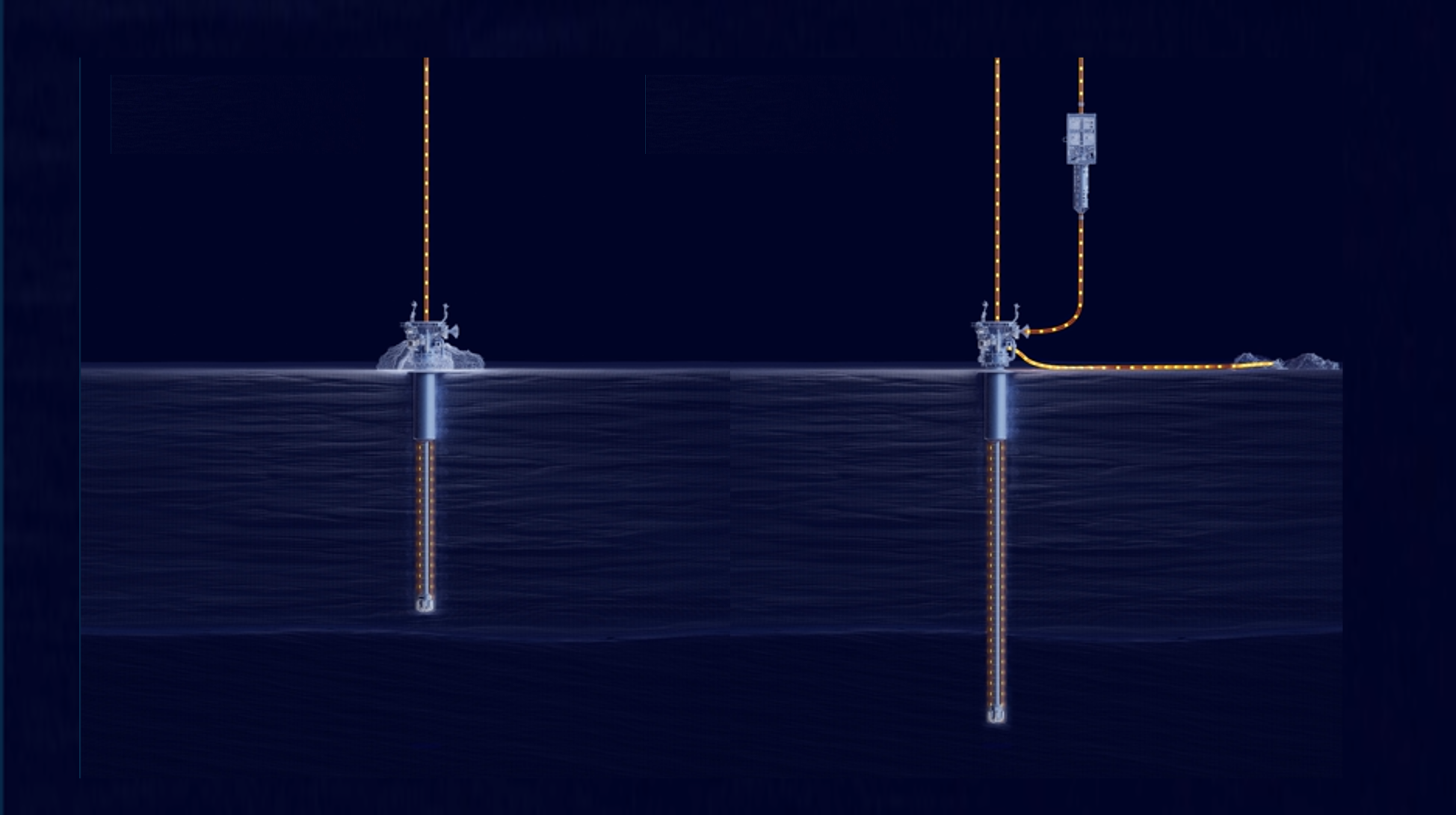
CML has become an established approach for deepwater drilling, where multiple hole sections often require precise pressure management throughout the well construction process.
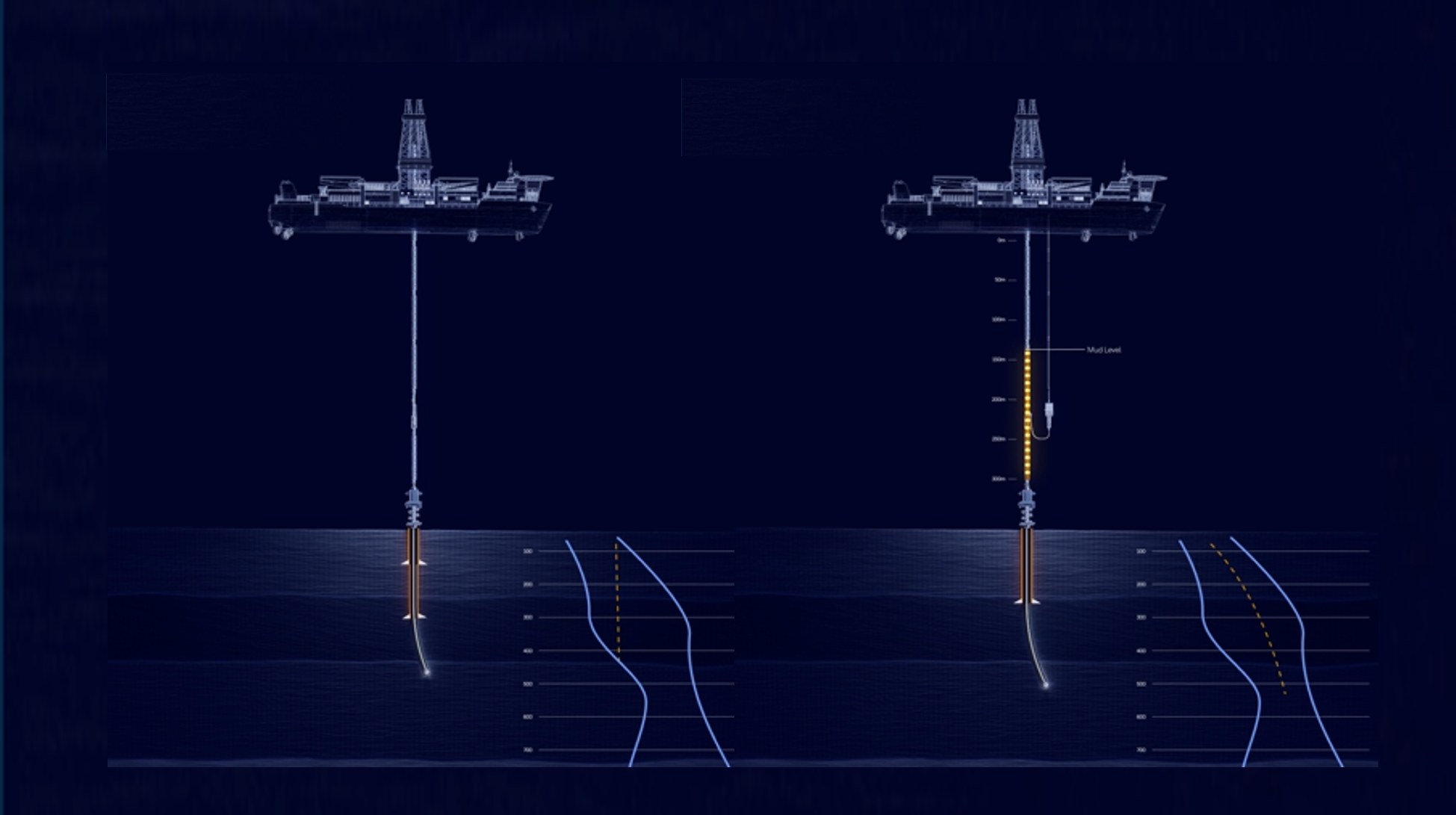
Figure: In deepwater wells, the pressure profile created by CML can provide greater flexibility for pressure management and well design.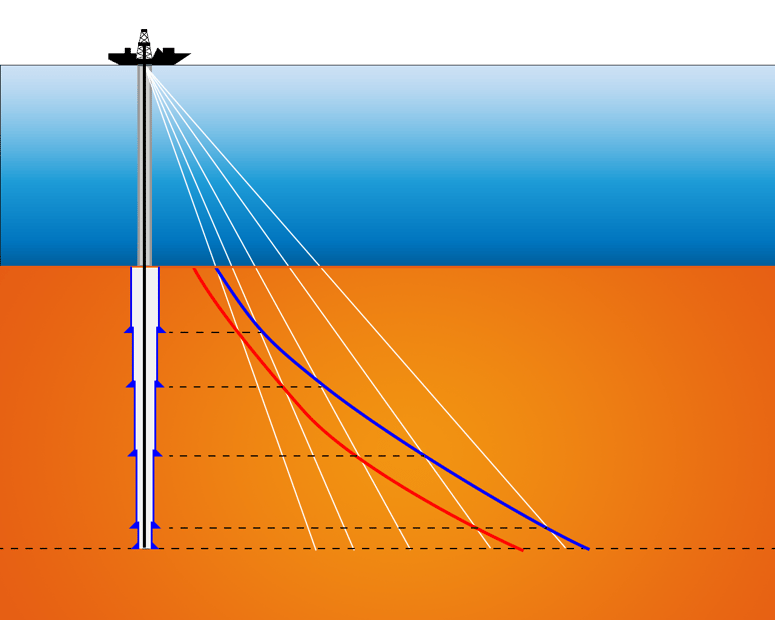
Key advantages of CML in deepwater include:
- Handling large hole sections with high ROPs and flow rates, efficiently transporting cuttings to surface without limitations associated with conventional riser systems.
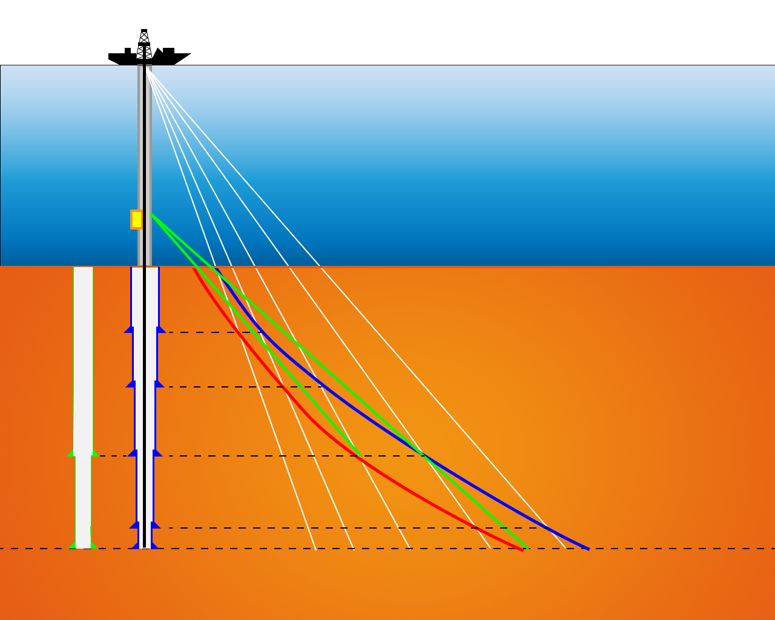
- Dual Gradient Effect, which allows upper hole sections to be combined and drilled in a single run, has become a standard in deepwater wells.
- Faster drilling connections, as the unique pressure profile created by CML can avoid the need for pressure adjustments during connections.
- Optimized tripping conditions, with surge and swab effects managed by adjusting the riser fluid level before tripping.
-
Avoiding the need for fluid displacements before tripping or cementing, eliminating time-consuming operations involving large fluid volumes and reducing shipping, storage, and treatment requirements.
CML is currently used in water depths as shallow as 300 ft. Shallow depths limits the ability for pressure adjustments, and in deeper waters the Subsea Pump Module (SPM) can be installed at greater depths, increasing the pressure adjustment capability of the system.
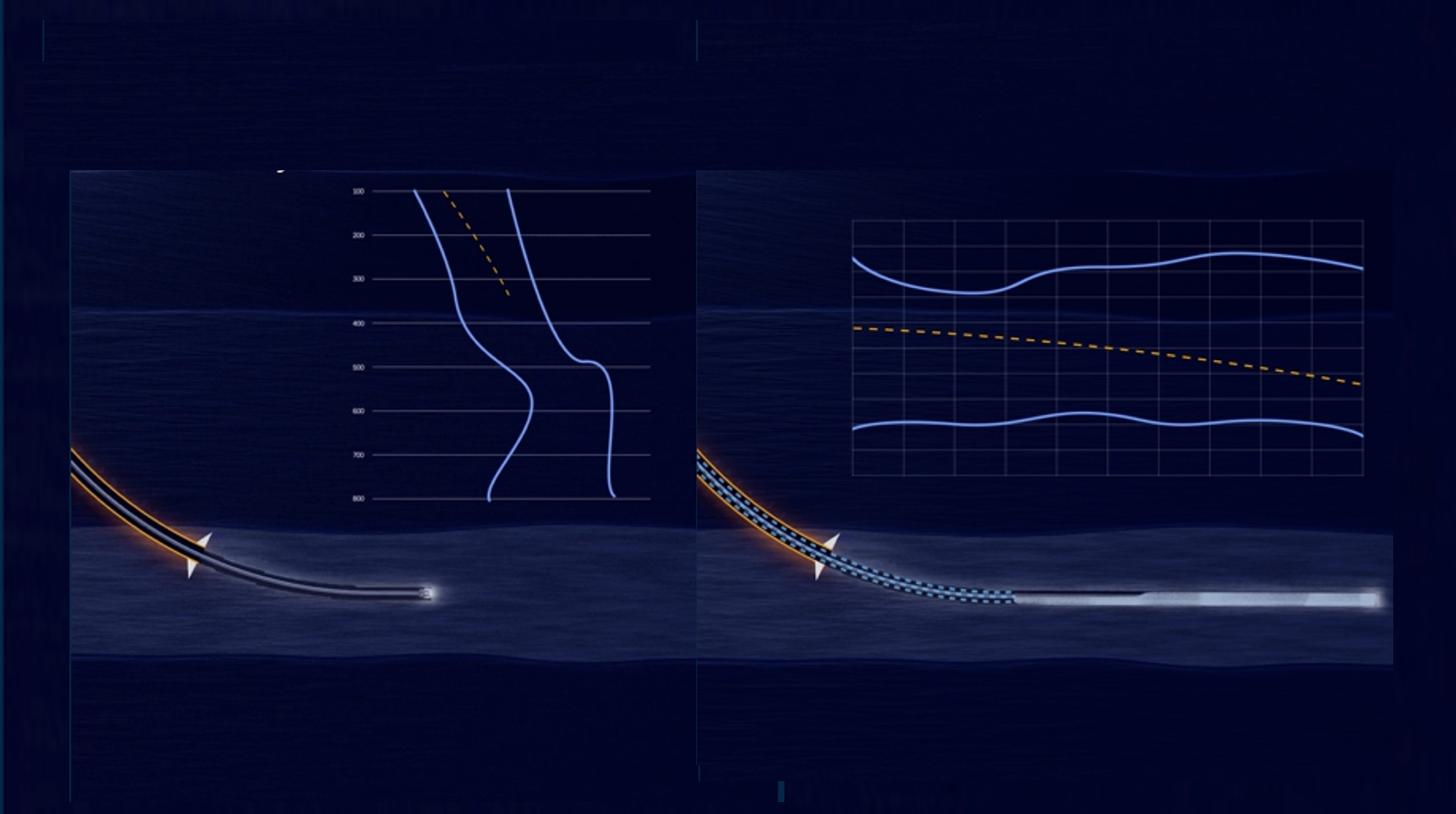
Figure: The Dual Gradient Effect can influence casing design by allowing upper hole sections to be combined, reducing the number of casing strings required in deepwater wells.
Additional reading: What to Consider When Implementing MPD in Deepwater
Mature and depleted fields
Often considered the “bread and butter” application of CML, mature field operations have been a success story for over a decade. In depleted reservoirs, CML enables drilling operations where conventional methods fall short.
Benefits in mature fields include:
- Lowering Bottom Hole Pressure (BHP) in line with reservoir depletion, enabling drilling activities to continue as reservoir pressures decline.
- Extending reservoir sections, unlocking additional reserves and extending field life.
- Achieving hydrostatic pressures below seawater density while drilling with Water-Based Mud (WBM), by lowering the fluid level in the riser.
- Flexible pressure adjustment, allowing operators to start above virgin pressure in the presence of isolated pockets and reduce pressure as drilling progresses.
CML also supports completion operations, particularly Managed Pressure Gravel Packing (MPGP). By adjusting the fluid level in the riser, CML enables a full screen-out without inducing losses, directly improving well productivity. Documented results show significant increases in production rates compared to offset wells.
Watch webinar: Deepwater MPD | Introducing EC-Drill® Dual MPD
Conclusion
CML is applicable across a wide range of offshore drilling challenges, including HPHT wells, Extended Reach Drilling (ERD), and total loss zones. While it is not suited for land operations or wells with surface BOP stacks, it can provide significant operational advantages in many offshore applications.
While CML is applicable across a wide range of drilling environments, its greatest impact is often seen in deepwater wells and depleted reservoirs. In these applications, the unique pressure profile and dynamic adjustment capabilities of CML can provide operational flexibility that differs from other MPD methods.

Get the latest updates
Want to stay updated on the latest knowledge articles and news from Enhanced Drilling?
.jpg?width=290&name=Snorre%20Lutnes%20(gammelt%20bilde).jpg)