

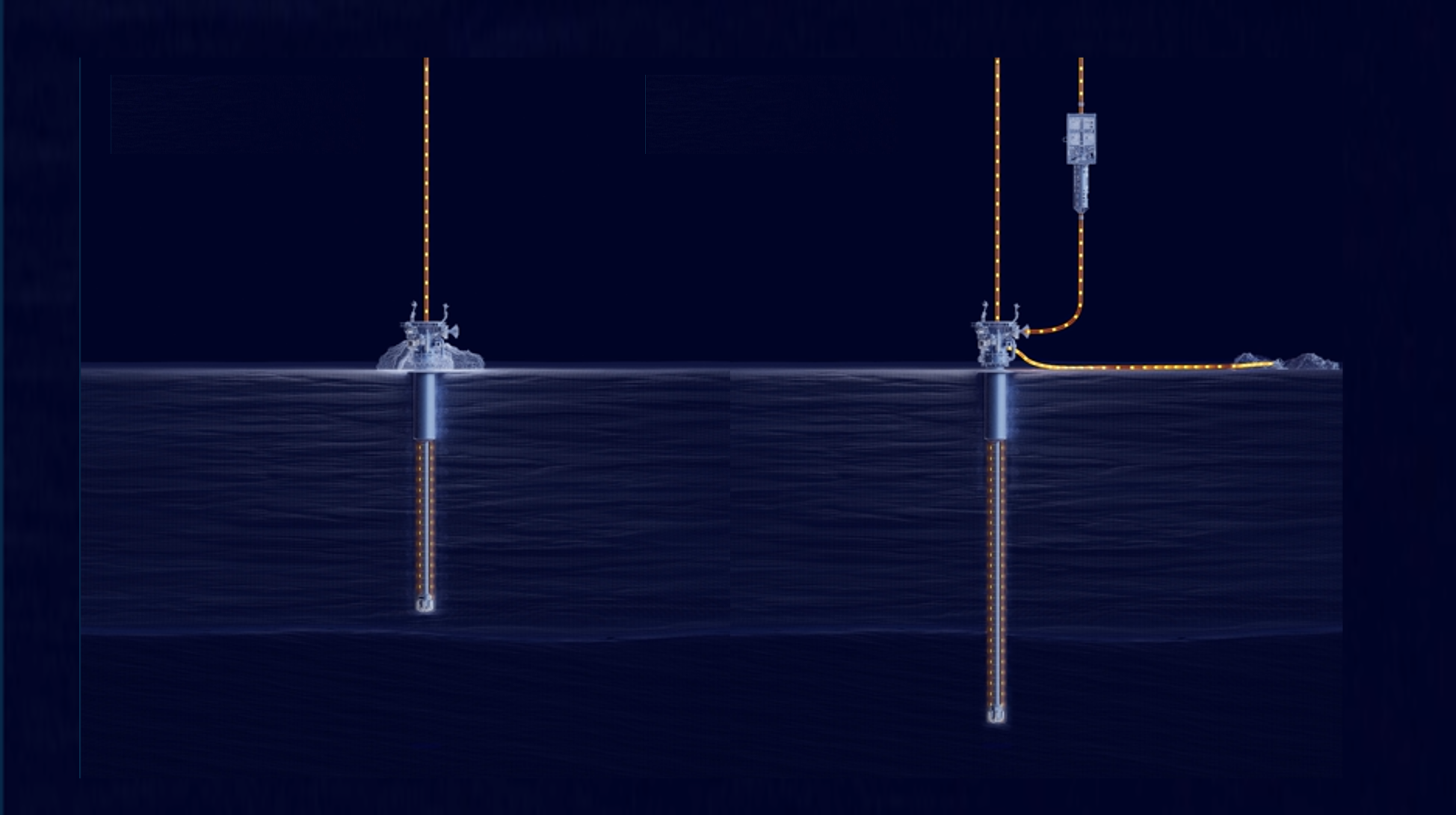

MPD introduces additional operational considerations during activities such as connections, tripping and added displacements. Because maintaining a near-constant Bottom Hole Pressure (BHP) often requires controlled transitions when circulation stops and resumes, these operations can take longer compared to conventional drilling.
For rigs operating with high daily spread costs, even small increases in connection time become operationally relevant and are therefore closely monitored during MPD operations.
This article compares how Surface Back Pressure (SBP) and Controlled Mud Level (CML) manage connections during MPD operations, and how the two methods differ operationally when maintaining BHP during pump stops and start-ups.

Why MPD Connections Take Longer
Answering how long a connection takes is like answering “how long is a piece of string”. It varies. For connections in general, it depends on the rig, crew and operational requirements. In MPD operations, it also depends on how closely the BHP needs to be controlled and which MPD method is being used. Connections with MPD are generally slower because the pressure needs to remain constant when the circulation stops – and starts again.
Check out: 11 Things All Drilling and Completion Engineers Need to Know About MPD
How SBP and CML Maintain BHP During Connections
Both SBP and CML maintain the target BHP during connections by compensating for the loss of annular friction pressure when circulation stops.The process in each case involves a gradual transition:
- SBP maintains BHP by applying surface back pressure during the connection and releasing it when circulation resumes.
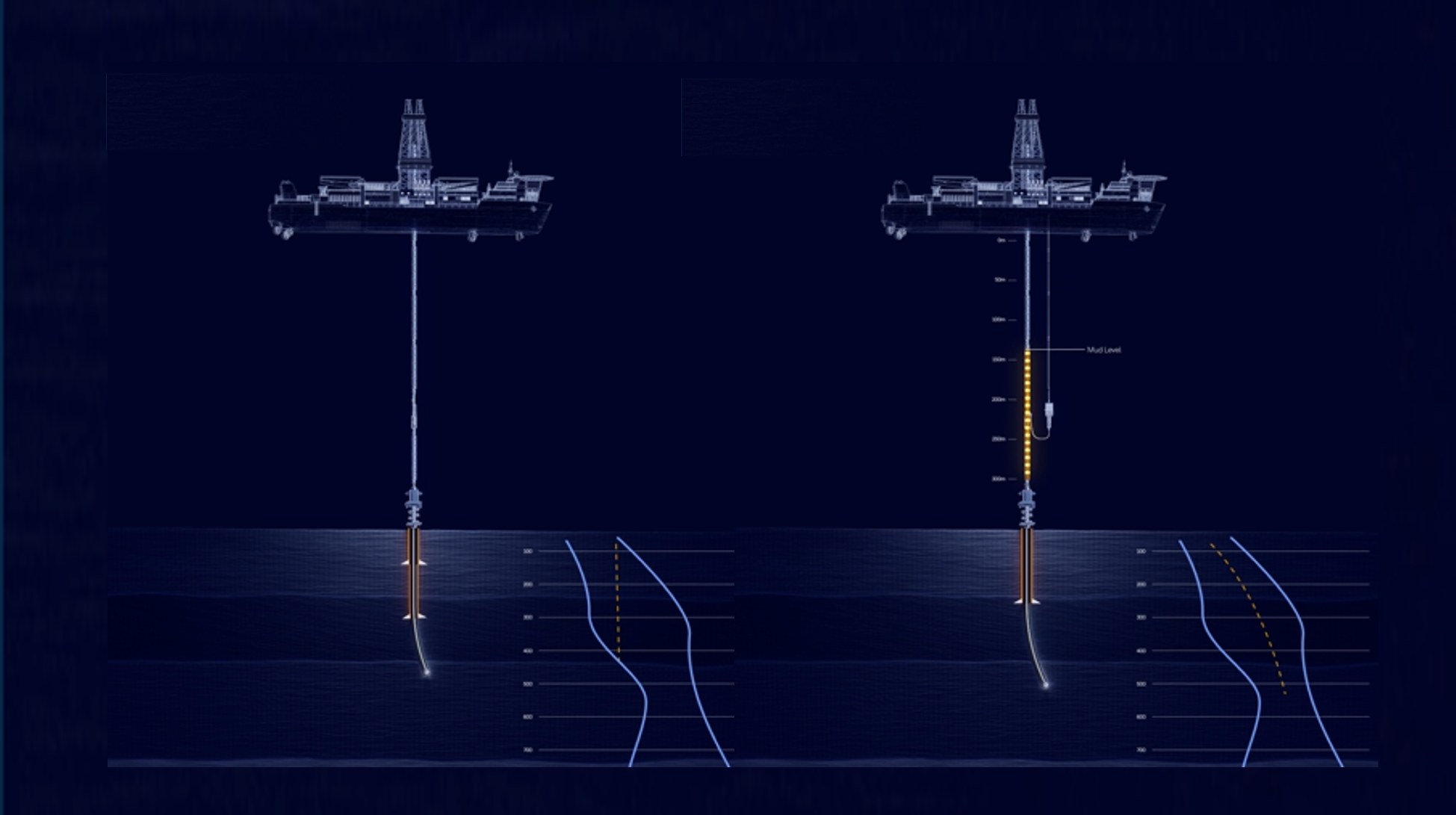
- CML adjusts the height of the fluid level in the Riser – raising it during the connection and lowering it when circulation resumes.
In both cases the pumps are gradually ramped down, and up, to ensure the MPD methods can maintain the desired BHP. While SBP allows for relatively quick adjustment with the surface choke provided the Proportional-Integral-Derivative (PID) settings are properly tuned, CML’s adjustment speed is dependent on how large the compensation is, and the density of the fluid being used.
A surface choke typically can adjust the BHP faster than by adjusting the fluid level in the riser.
Read more: MPD Methods: Pros and Cons of CML vs SBP
Operational Differences Between SBP and CML
While both methods can hold a constant BHP their approach is different.
- SBP operations commonly use a mud density lower than the desired static BHP, with surface back pressure applied to reach the target circulating pressure profile. During connection the lack of friction is compensated by applying back-pressure.
- CML will commonly select a density which gives the desired pressure during static conditions. To compensate for the added friction when circulating the riser level is lowered.
The lower density used with SBP requires back-pressure to always be applied for all non-circulating operations to stay overbalanced. CML is statically overbalanced and needs to adjust the fluid level in the riser when the ECD gets too high.
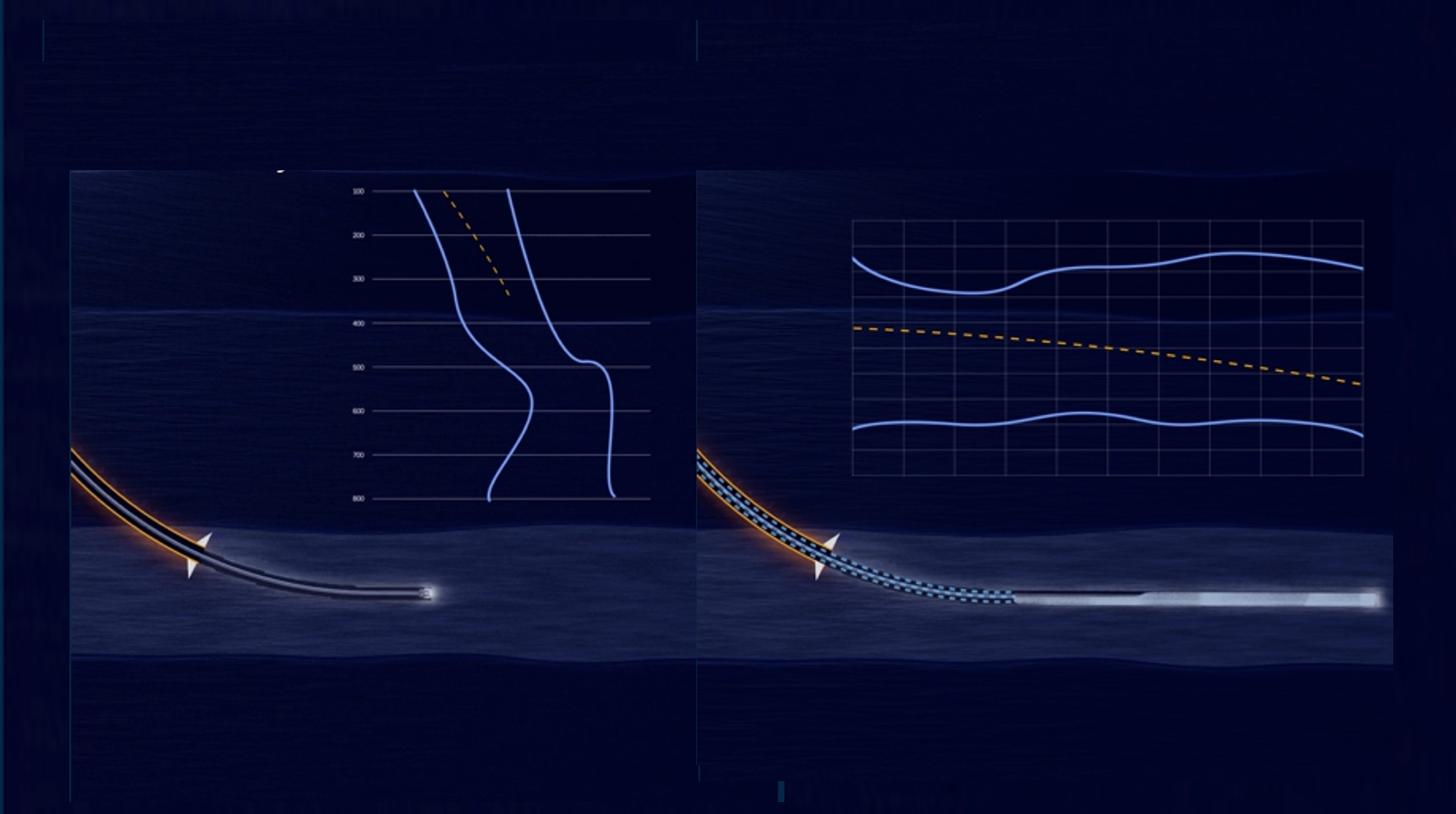
Moreover, CML offers greater flexibility: if only the last part of the section has narrow margins it can start off with conventional connections and then gradually start holding constant BHP when approaching the area with narrow margins. This can reduce overall connection time in sections where conventional connections remain operationally acceptable.
CML can use the Dual Gradient Effect to effectively drill the upper part of a section without maintaining constant BHP. The pressure profile generated by lowering the riser level can in some cases allow sections to be drilled without maintaining constant BHP during connections, particularly in deepwater applications where the Dual Gradient Effect changes the pressure profile.
Additional reading: How Does CML MPD Work?
Final Considerations
Whether SBP or CML is the more effective approach during connections depends on the operational context and the pressure management requirements of the well section. Factors such as:
- The required riser level adjustment in CML operations.
- The control parameters (PID settings) in SBP systems.
- The available pressure window in the section.
All influence how the connection is handled in practice.
In general:
- SBP can provide faster pressure adjustments through the surface choke.
-
CML can offer greater operational flexibility in sections where constant BHP is not required throughout the entire well.
The Dual Gradient Effect can in some deepwater applications reduce the need for pressure adjustments during connections
Neither method is universally superior. The most effective approach depends on the well design, operational objectives, and the pressure profile requirements of the section being drilled. Understanding how SBP and CML differ operationally is therefore important when selecting the most suitable MPD strategy for a given well.

Get the latest updates
Want to stay updated on the latest knowledge articles and news from Enhanced Drilling?
.jpg?width=290&name=Snorre%20Lutnes%20(gammelt%20bilde).jpg)